
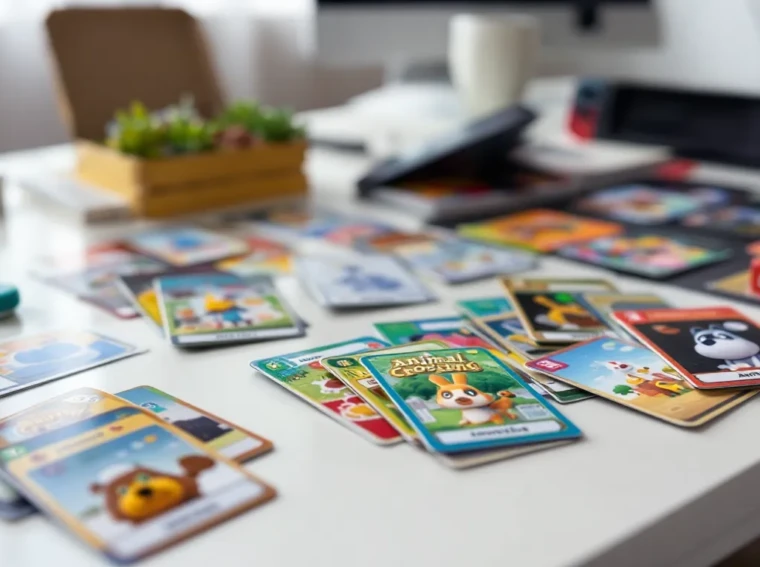
Amiibo cards for Animal Crossing have become one of the most sought-after collectibles in gaming, blending physical trading cards with digital gameplay in a way that’s both nostalgic and functional. Whether you’re hunting down a specific villager, building a complete set, or diving into the secondary market, understanding how these NFC-enabled cards work can transform your island experience. With Animal Crossing: New Horizons still maintaining a dedicated player base in 2026, amiibo cards remain a hot commodity, and knowing what you’re buying, how to use them, and where to find rare cards can save you time, money, and frustration.
Key Takeaways
- Amiibo cards for Animal Crossing use NFC technology to invite specific villagers to your island, eliminating the need for time-consuming mystery island tours.
- Animal Crossing amiibo cards cost just $5.99 per six-card pack, making them a budget-friendly alternative to $15.99–$19.99 amiibo figures with identical gameplay functionality.
- Series 5 and Sanrio collaboration cards are the most sought-after on the secondary market, with rare villagers like Raymond and Shino commanding prices of $25–$40 due to unique designs and New Horizons exclusivity.
- Official retailers like Target, Best Buy, and Nintendo’s store maintain regular stock of Series 1, 3, and 5 in 2026, but secondary platforms like eBay and Mercari offer individual card singles for collectors completing specific sets.
- Counterfeit amiibo cards are identifiable by suspiciously low prices, poor print quality, missing holographic patterns, and thin cardstock; always verify authenticity through seller ratings and timestamped photos before purchasing.
- Use amiibo cards at The Roost to unlock unique dialogue with special characters, at Photopia for creative photo sessions with up to 10 characters, or at Resident Services to permanently invite villagers to your island.
What Are Animal Crossing Amiibo Cards?
Animal Crossing amiibo cards are physical trading cards embedded with Near Field Communication (NFC) chips that allow players to interact with compatible Animal Crossing titles. Each card features artwork of a specific villager or special character, along with their name, species, birthday, and a unique serial number. When scanned using a Nintendo Switch or Nintendo 3DS/2DS with NFC capability, these cards unlock in-game functionality, primarily the ability to invite characters to your island or campsite.
Nintendo launched the first series of Animal Crossing cards in 2015 alongside Animal Crossing: Happy Home Designer for the 3DS. The concept was simple: provide a more affordable and space-efficient alternative to the larger amiibo figures while offering access to the full roster of Animal Crossing villagers. By 2026, five main series and several special edition sets have been released, totaling over 500 unique cards.
How Amiibo Cards Differ from Amiibo Figures
Animal Crossing amiibo figures are three-dimensional collectibles that serve the same basic function as the cards but come with a significantly higher price point and physical footprint. Figures typically retail for $15.99–$19.99 each, while amiibo card packs cost around $5.99 for six random cards. The figures feature more detailed sculpts and are marketed as display pieces as much as gaming accessories.
From a functional standpoint, there’s no difference, both cards and figures use the same NFC technology and unlock identical in-game content. The choice comes down to budget, shelf space, and personal preference. Collectors who want every villager will find cards far more practical, while those who prefer premium collectibles might gravitate toward the limited selection of figures.
As of 2026, Nintendo has released 18 Animal Crossing figures, including Tom Nook, Isabelle (multiple variants), K.K. Slider, and several villagers like Rosie and Cyrus. The cards, by contrast, cover nearly every villager in the franchise, making them the only way to access most characters via amiibo.
Compatible Animal Crossing Games
The amiibo cards and figures work across multiple Animal Crossing titles, though functionality varies by game:
- Animal Crossing: New Horizons (Switch): Primary use case in 2026. Scan cards at the Resident Services building or at Harv’s Island to invite villagers to your campsite, unlock special characters at The Roost, and use them in Photopia.
- Animal Crossing: New Leaf – Welcome Amiibo (3DS): Updated version released in 2016 with full amiibo support. Scan cards to invite villagers to the campground and order exclusive items.
- Animal Crossing: Happy Home Designer (3DS): Original amiibo card launch title. Use cards to design homes for specific villagers.
- Animal Crossing: Amiibo Festival (Wii U): Board game that requires amiibo figures or cards to play. Largely discontinued and not widely played in 2026.
It’s worth noting that the Sanrio collaboration cards were initially incompatible with New Horizons at launch but received full support via a free update in March 2021 (Version 1.9.0). All subsequent updates have maintained this compatibility.
Complete Animal Crossing Amiibo Card Series Breakdown
Understanding the different Animal Crossing amiibo card series is essential for collectors and completionists. Each series was released in waves, with varying availability and regional distribution that affects current market prices.
Series 1 Through 5: What Each Set Contains
Nintendo released five main series of amiibo cards between 2015 and 2021, with each pack containing six random cards and one special character card guaranteed per pack.
Series 1 (Released September 2015): 100 cards total, numbered 001–100. Includes iconic special characters like Isabelle (001), Tom Nook (002), and DJ KK (003), plus 83 villager cards. This series introduced the format and remains widely available through reprints in 2026.
Series 2 (Released November 2015): Cards 101–200. Features special characters like Reese (102), Kicks (103), and Labelle (104). This series includes popular villagers like Marshal (264 in Series 3, but his debut appeal drove Series 2 pack sales).
Series 3 (Released March 2016): Cards 201–300. Includes Blathers (202), Tom Nook (in his store outfit, 203), and Pelly (204). Contains several high-demand villagers that command premium prices in the secondary market.
Series 4 (Released November 2016): Cards 301–400. The final series released during the 3DS era before New Horizons. Features special characters like Timmy (303), Tommy (304), and Celeste (305). Slightly harder to find than Series 1–3 due to lower initial print runs.
Series 5 (Released November 2021): Cards 401–448. The first new series released specifically for Animal Crossing: New Horizons, featuring all 16 new villagers introduced in the 2.0 update plus returning special characters. This 48-card series includes Sasha (401), Ione (414), Shino (413), and other highly sought-after villagers.
Each standard pack retails for $5.99 and contains six cards. Distribution is randomized, which means completing a series typically requires trading or purchasing singles on the secondary market. Many popular villagers command higher prices when sold individually.
Sanrio Collaboration Cards
The Sanrio amiibo cards are a special six-card set released in limited quantities in March 2021, coinciding with the Version 1.9.0 update for New Horizons. Unlike the main series, these cards are not sold in randomized packs, each package contains all six cards:
- Rilla (Sanrio 01) – Hello Kitty themed
- Marty (Sanrio 02) – Pompompurin themed
- Étoile (Sanrio 03) – Little Twin Stars themed
- Chai (Sanrio 04) – Cinnamoroll themed
- Chelsea (Sanrio 05) – My Melody themed
- Toby (Sanrio 06) – Kerokerokeroppi themed
These cards unlock both the villagers and exclusive Sanrio-themed furniture sets. Due to extremely limited initial print runs and Target-exclusive distribution in North America, the Sanrio cards became some of the most expensive Animal Crossing amiibos on the secondary market, with complete sets selling for $80–$150 in 2021–2022. Nintendo issued reprints in late 2022 and 2023, stabilizing prices to around $15–$25 per set as of 2026.
Special Character Cards vs. Villager Cards
Each series contains two types of cards:
Special Character Cards: Numbered 001–018 in each series (except Series 5). These feature NPCs like Isabelle, Tom Nook, K.K. Slider, Celeste, and others who provide services rather than live on your island. Special character cards have holographic/foil treatment and are guaranteed one per pack. In New Horizons, scanning these characters typically unlocks their poster for purchase in Nook Shopping, and some (like Brewster) can appear at specific locations.
Villager Cards: The remaining cards in each series. These represent the animals who can move onto your island. Villager cards have standard, non-foil artwork and are used primarily to invite specific characters to your campsite. Some rare villagers have become highly collectible due to unique designs or personalities.
From a gameplay perspective, villager cards see far more use because they solve the RNG problem of finding specific villagers through mystery island tours or random campsite visits.
How to Use Amiibo Cards in Animal Crossing: New Horizons
The primary appeal of amiibo cards for Animal Crossing: New Horizons is the ability to bypass the randomness of villager hunting. The game’s mechanics for using amiibo were refined through multiple updates, with the Version 2.0 update in November 2021 expanding functionality significantly.
Inviting Villagers to Your Island
To use amiibo cards to invite a villager, you’ll need to have unlocked the campsite on your island. This becomes available after upgrading Resident Services to a building (typically around day 5–7 of gameplay). Once the campsite is built:
- Scan the card: Go to Resident Services and interact with the Nook Stop terminal. Select “Invite a Camper” and scan your amiibo card using the right joystick on your Switch.
- Visit the campsite: The villager will appear in your campsite immediately. Talk to them to begin building a relationship.
- Complete their request: The villager will ask you to craft a specific item. You’ll need the DIY recipe and materials. Craft the item and return it to them.
- Repeat for three days: You must scan the same card and complete requests on three separate days. Time travelers can accelerate this process.
- Invite them to move in: On the third visit, after completing their request, the villager will agree to move to your island. If you have 10 villagers already, you’ll choose who they replace.
This process gives you complete control over your island’s roster, eliminating the hours of mystery island tours or campsite RNG that would otherwise be required. According to data from community tracking sites, players report spending an average of 15–30 Nook Miles Tickets to find a specific villager through random encounters, making amiibo cards a significant time-saver.
Unlocking Special Characters and Features
Special character amiibo cards have different functionality. When scanned at the Nook Stop:
- The Roost: After unlocking Brewster’s café (added in Version 2.0), scanning special character amiibo at The Roost invites them for coffee. This unlocks unique dialogue and character interactions.
- Photopia access: All amiibo, including special characters, can be used at Harv’s Island for photo shoots (explained in the next section).
- Posters: Scanning any amiibo unlocks that character’s poster in the Nook Shopping catalog under Special Goods. Posters cost 1,000 Bells each and can be ordered infinitely.
It’s worth noting that special character cards don’t move to your island, they’re purely for unlocking extras and collecting posters.
Using Cards at Photopia and Harv’s Island
Harv’s Island serves as a photography studio where you can stage elaborate scenes with any villagers or characters you have amiibo for. This feature was available at launch and expanded with the Version 2.0 update that added Harv’s Island Plaza.
To use amiibo at Photopia:
- Fly to Harv’s Island via the airport.
- Enter the studio building.
- Press down on the D-pad to enter decorating mode.
- Select a character slot and scan your amiibo card.
- The character will appear in the scene, where you can pose them, add furniture, change their expressions, and take photos.
This mode is popular with creative players who produce themed photoshoots, comics, or social media content. Unlike inviting villagers to your island, there’s no limit to how many times you can scan cards at Photopia, and you can have up to 10 characters in a single scene. Players creating community content often rely on their amiibo card collections to access the full roster for photography projects.
Where to Buy Authentic Animal Crossing Amiibo Cards in 2026
As of 2026, Animal Crossing amiibo cards are sold through official retailers and a thriving secondary market. Availability varies by series and region, with reprints keeping most cards accessible at or near MSRP.
Official Retailers and Online Marketplaces
Official retail channels include:
- Nintendo’s Official Store: Direct purchases through Nintendo’s online store, though stock fluctuates and popular series sell out quickly.
- Target: Exclusive distributor for Sanrio cards in North America. Also carries standard series with regular restocks.
- Best Buy: Consistent stock of Series 1, 3, and 5 as of early 2026.
- GameStop: Physical stores and online. Often bundles packs or offers trade-in credit toward amiibo purchases.
- Amazon: Both official Nintendo listings and third-party sellers. Prime shipping available but watch for inflated prices from resellers.
- Walmart: Sporadic availability, better stock in physical stores than online.
Retail prices remain stable at $5.99 per six-card pack or $9.99–$15.99 for special sets like Sanrio. Nintendo has maintained production of Series 1, 3, and 5 with regular reprints throughout 2025–2026, making these the easiest to find.
Secondary market platforms for singles and complete sets:
- eBay: Largest selection of individual cards. Prices range from $2–$5 for common villagers to $15–$40 for high-demand cards like Raymond, Marshal, Shino, and the Sanrio set.
- Mercari: Popular in Japan and growing in the US. Often has better deals than eBay for bulk purchases.
- Facebook Marketplace and r/AnimalCrossing trading communities: Direct peer-to-peer sales, often at better rates but with less buyer protection.
- TCGPlayer: Primarily known for trading card games but has expanded into amiibo cards with seller ratings and standardized pricing.
When buying from secondary markets, always check seller ratings, request photos of the actual cards, and use payment platforms with buyer protection.
Spotting Counterfeit Cards: Red Flags to Watch For
Counterfeit animal crossing amiibo cards flooded the market between 2020–2023 as demand spiked during the pandemic. While Nintendo’s reprints have reduced the incentive to buy fakes, they’re still prevalent on platforms like AliExpress, Wish, and even Amazon third-party listings.
Red flags for counterfeit cards:
- Suspiciously low prices: Full sets of 100 cards for $20–$30 are almost certainly fake. Authentic packs cost $5.99 for six cards.
- “Custom” or “handmade” in the listing: These are homemade NFC cards (covered in more detail later). They’ll function but aren’t official Nintendo products.
- Poor print quality: Authentic cards have sharp, vibrant artwork with consistent color saturation. Fakes often show pixelation, washed-out colors, or misaligned printing.
- Wrong card stock: Official amiibo cards use thick, glossy cardstock similar to trading cards. Fakes may feel thin, matte, or flimsy.
- Missing or incorrect holographic pattern: Special character cards have a specific holographic pattern. Fakes may lack this or use the wrong foil effect.
- No Nintendo logo or incorrect placement: The official Nintendo seal appears on the back of every authentic card in a consistent location.
- Shipping from China with weeks-long delivery: While not definitive proof, most counterfeits originate from overseas manufacturers.
According to investigations by Nintendo community sites, counterfeit cards typically use blank NFC stickers programmed with copied data and printed artwork from scans. They’ll scan and work in-game, but they violate Nintendo’s intellectual property and offer no quality guarantees.
Most Valuable and Rare Amiibo Cards
The secondary market for animal crossing amiibo cards is driven by villager popularity, artificial scarcity from randomized packs, and player demand for specific aesthetics and personalities. Prices fluctuate based on trends, influencer content, and Nintendo’s reprint schedule.
Top 10 Most Sought-After Cards and Their Market Value
As of March 2026, these cards command the highest prices on secondary markets:
-
Raymond (Series 4, #387): $25–$40. The most expensive non-Sanrio card. Raymond wasn’t available at New Horizons launch and lacks an amiibo figure, making his card the only guaranteed way to get him. Smug cat personality with heterochromia and business-cat aesthetic drove massive demand.
-
Shino (Series 5, #413): $18–$30. New Horizons exclusive villager with a striking oni-inspired design. Peppy personality and unique appearance make her highly sought after.
-
Ione (Series 5, #414): $15–$25. Another New Horizons exclusive with a celestial/space theme. Normal personality type and soft color palette appeal to players seeking aesthetic cohesion.
-
Marshal (Series 3, #264): $12–$22. Smug squirrel with a cult following since New Leaf. Consistently ranks in top 10 villager popularity polls.
-
Sanrio Set (Complete): $15–$25 for all six cards. While reprints have stabilized prices, demand remains high for the exclusive furniture sets.
-
Judy (Series 4, #385): $12–$20. Snooty cub with pastel coloring and a starry aesthetic that matches Ione and Celeste themes.
-
Merengue (Series 2, #285): $10–$18. Normal-type rhinoceros with a strawberry shortcake design. Appeals to cottagecore and kawaii aesthetics.
-
Ankha (Series 2, #188): $10–$16. Egyptian-themed snooty cat who became a meme in 2021, driving renewed interest. Some personality-specific guides detail why snooty villagers like Ankha remain popular.
-
Lolly (Series 3, #333): $9–$15. Normal cat with a sweet design. Consistently popular across all Animal Crossing titles.
-
Zucker (Series 3, #364): $8–$14. Lazy octopus villager designed to look like takoyaki. Unique species and food theme drive demand.
Prices reflect eBay and TCGPlayer averages as of early 2026. Individual listings vary based on card condition and seller location.
Why Certain Villagers Command Premium Prices
Several factors determine animal crossing amiibo card value:
Aesthetic appeal: Villagers with unique designs, cohesive color schemes, or thematic elements (Raymond’s office cat, Shino’s oni horns) attract players building themed islands. The rise of “core” aesthetics (cottagecore, dark academia, celestial) on social media drives demand for matching villagers.
Personality type scarcity: There are eight personality types distributed across 400+ villagers, but certain combinations are rarer. Smug and Uchi personalities have fewer representatives, making popular smug villagers like Raymond and Marshal more sought-after.
Series rarity: Series 4 had lower print runs than Series 1 or 5, and Nintendo prioritized reprinting earlier sets. This created artificial scarcity for cards like Raymond, Judy, and Marshal until late 2024 reprints began.
Social media influence: TikTok and Instagram trends dramatically affect prices. When a villager goes viral or appears in popular island tours, their card value spikes. Ankha’s price doubled in late 2021 due to meme popularity.
New Horizons exclusivity: Villagers introduced in New Horizons (Series 5) have no amiibo figure alternative and weren’t available through earlier games, making their cards the only physical collectible option.
Artificial randomness: Since packs contain random cards, completing a series or finding a specific villager requires either luck or secondary market purchases. This built-in scarcity model mirrors trading card games and drives collector behavior.
Some villager guides highlight why certain characters maintain long-term popularity beyond temporary trends.
Trading and Collecting Strategies for Amiibo Cards
Building a complete animal crossing amiibo card collection requires strategy, patience, and community engagement. With 500+ cards across all series, most collectors focus on completing specific sets or acquiring their dream villagers rather than collecting everything.
Best Online Communities and Trading Platforms
The Animal Crossing community has established robust trading ecosystems across multiple platforms:
Reddit communities:
- r/AnimalCrossingAmiibos: Dedicated subreddit for card trading with over 50,000 members. Uses flair-based reputation systems and requires timestamped photo verification.
- r/ACTrade: Broader trading sub that includes amiibo cards alongside in-game items. Larger user base but less specialized.
Discord servers: Many Animal Crossing-focused Discord communities have dedicated amiibo trading channels. Popular gaming community sites often host or link to verified servers. Real-time chat facilitates faster negotiations than forum-based trading.
Nookazon: Originally an Animal Crossing item marketplace, Nookazon expanded to include amiibo card listings. Features built-in messaging, trade history, and user ratings. Mobile app available.
Facebook Groups: Search for “Animal Crossing Amiibo Card Trading” to find regional groups. Useful for local trades that avoid shipping costs. Less buyer protection than platforms with formal dispute systems.
Twitter hashtags: #ACamiibotrade and #AnimalCrossingTrade connect traders. Direct DM negotiations. Higher scam risk due to lack of platform protection.
When choosing a platform, prioritize those with:
- User reputation systems
- Photo verification requirements
- Escrow or trade confirmation processes
- Active moderation to remove scammers
Tips for Successful Trades and Avoiding Scams
Before initiating trades:
- Build reputation: Complete several small trades before pursuing high-value cards. Most communities use post flair or point systems to track successful transactions.
- Check trading partner history: Review their post history, completed trades, and account age. New accounts or those with gaps in activity are red flags.
- Use timestamped photos: Always request photos of the actual cards with the trader’s username and current date written on paper in frame. This prevents photo theft from other listings.
- Verify card authenticity: Ask for close-ups showing print quality, card thickness, and Nintendo logo placement before committing to a trade.
During the trade:
- Ship with tracking: For valuable cards, always use tracked shipping and consider insurance for cards over $20.
- Package securely: Use card sleeves and rigid mailers to prevent damage. Top loaders and bubble mailers are standard in the community.
- Agree on timing: Decide whether you’ll ship simultaneously or if one party ships first. Lower-reputation traders typically ship first.
- Document everything: Save all messages, photos, and tracking numbers until both parties confirm receipt.
Red flags that indicate scams:
- Pressure to complete trades quickly without verification
- Refusal to provide timestamped photos
- Requests to move conversation off-platform immediately
- No post history or reputation in trading communities
- Prices significantly below market value for rare cards
- Generic stock photos instead of actual card pictures
According to community moderators on major trading platforms, scam reports dropped significantly between 2023–2026 as verification requirements became standardized. Most successful traders recommend starting with local Facebook group meetups to build experience before moving to shipped trades.
Organizing and Protecting Your Collection
As your collection grows, proper organization prevents damage and makes specific cards easy to locate:
Storage solutions:
- Binder pages: Ultra Pro 9-pocket trading card binder pages fit amiibo cards perfectly. Store in a three-ring binder organized by series and card number.
- Individual sleeves: Penny sleeves for common cards: premium sleeves (Katana, Dragon Shield) for valuable cards over $10.
- Top loaders: Rigid plastic holders for your most expensive cards. Store separately from binders to prevent bending.
- Storage boxes: BCW card storage boxes work well for bulk organization. Sort by series, alphabetically, or by obtained/needed status.
Organization methods:
- Numerical by series: Most intuitive for tracking completion percentage
- Alphabetical: Easier for quick lookups when checking if you have specific villagers
- By personality type: Useful for players planning island demographics
- Duplicates separate: Keep extra cards in dedicated storage for easy access during trades
Some collecting enthusiasts maintain digital checklists using Google Sheets or dedicated apps like Amiibopedia to track their collection progress and trade inventory.
Environmental protection:
- Store in cool, dry locations away from direct sunlight
- Avoid basements or attics with temperature/humidity fluctuations
- Keep away from liquids, pets, and high-traffic areas
- Handle cards by edges to preserve print quality and prevent fingerprint oils from degrading finish
Proper storage maintains both card condition and NFC functionality. While NFC chips are durable, physical damage to the card can eventually affect scanning reliability.
DIY Alternatives: Creating Custom Amiibo Cards
The scarcity and cost of official amiibo cards led to a DIY community creating homemade alternatives using blank NFC tags and card-printing equipment. These custom cards function identically to official versions in-game but exist in a legal and ethical gray area.
Legal and Ethical Considerations
Legal status: Creating custom amiibo cards violates Nintendo’s intellectual property rights. The process involves copying proprietary NFC data and reproducing copyrighted artwork. Nintendo’s Terms of Service explicitly prohibit circumventing their authentication systems.
But, enforcement is complicated:
- Personal use: Nintendo has not pursued legal action against individuals making cards for personal use. No documented cases exist of players being banned or prosecuted for using homemade cards.
- Commercial sale: Selling custom amiibo cards is clearly illegal and has resulted in cease-and-desist letters and marketplace removals. eBay, Amazon, and Etsy regularly remove listings for “custom” or “homemade” amiibo cards.
- Regional variation: Some jurisdictions have more lenient fair use or personal backup laws, but Nintendo’s IP rights are protected in all major markets.
Ethical considerations:
- Supporting creators: Official card purchases support Nintendo and the artists who designed the characters. DIY cards provide zero revenue to the IP holders.
- Collector community impact: Flooding the secondary market with custom cards could devalue authentic cards and harm collectors.
- Accessibility argument: Some argue that Nintendo’s artificial scarcity through randomized packs and limited reprints justifies DIY alternatives for players who simply want to enjoy game content they already purchased.
The community remains divided on this issue. Most trading platforms explicitly ban custom cards and require authenticity verification for high-value trades.
Step-by-Step Guide to Making NFC Cards
For educational purposes, here’s how DIY amiibo cards are created. This guide does not constitute legal advice or endorsement:
Required materials:
- NTAG215 NFC chips: The specific NFC tag type used in official amiibo. Available on Amazon for $0.50–$1.00 per tag.
- NFC-capable Android phone or NFC reader/writer: iPhones don’t support NFC writing for security reasons. Android 4.4+ typically works.
- Blank cards or stickers: NTAG215 tags come in various form factors. PVC cards look most like official amiibo cards.
- TagMo app or Placiibo app: Android applications that write amiibo data to NFC tags. Available as APKs from community repositories.
- Amiibo bin files: Digital files containing the NFC data for each amiibo. Distributed through community repositories: obtaining these involves legal gray areas.
- Printing setup (optional): For custom artwork, you’ll need a color printer, cardstock, and either adhesive or a laminator.
Process:
- Acquire bin files: Download the encrypted amiibo data files. These files contain the character ID that the Switch recognizes.
- Install TagMo: Load the app on your Android device. You’ll need to provide encryption keys (obtained separately through community resources).
- Prepare tags: Ensure your NTAG215 chips are blank and unprotected.
- Write data: Open TagMo, load the desired character’s bin file, and hold your NTAG215 tag to the back of your phone. The app writes the data in seconds.
- Test: Scan the tag with your Switch at the Nook Stop to verify it works.
- Add artwork (optional): Print character images on cardstock, adhere to the NFC tag, and laminate for durability.
Total cost per card: $0.50–$2.00 depending on materials. Full sets of 100+ cards can be created for under $100.
Functionality: Custom cards work identically to official amiibo. The Switch cannot distinguish between official and homemade tags if the NFC data is correctly copied. You can invite villagers, unlock posters, and use them at Harv’s Island without any restrictions.
Why this exists: During peak demand in 2020–2021, Raymond cards sold for $50–$80, and complete series were virtually impossible to find at retail. The DIY community emerged to provide access to game content without paying scalper prices. Some players view this as similar to creating save backups or using legitimate game cartridge dumps for emulation, technically against TOS but serving a preservation and accessibility function.
Nintendo’s increased reprint schedule in 2024–2026 has reduced the incentive to create custom cards, but the knowledge and tools remain widely available in gaming communities.
Conclusion
Animal Crossing amiibo cards bridge the physical and digital in a way that continues to resonate with collectors and players in 2026. Whether you’re hunting for a specific villager to complete your island roster, building a complete series for the satisfaction of completion, or exploring the secondary market for rare cards, understanding how these cards work, and where to find them, makes the experience more rewarding and less frustrating. Nintendo’s ongoing reprints have made most cards accessible, but the collectible nature of randomized packs ensures that trading communities will remain vibrant. The choice between official cards, secondary market purchases, or DIY alternatives eventually comes down to your priorities: supporting official releases, budget constraints, or simply accessing the gameplay content you want. Whatever path you choose, the amiibo card ecosystem offers multiple entry points for both casual players and dedicated collectors.