
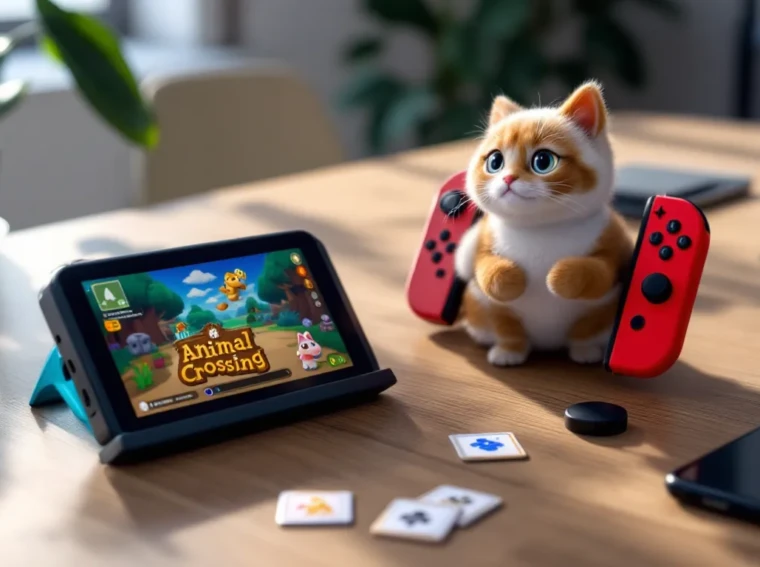
If you’ve spent any time in Animal Crossing: New Horizons, you’ve probably noticed something: cat villagers dominate wish lists, trading boards, and island tours. Whether it’s Raymond’s smug charm, Ankha’s Egyptian mystique, or Bob’s lazy-cat energy, these feline residents hold a special place in the game’s ecosystem. But what makes animal crossing cats so appealing, and which ones should you prioritize for your island?
This guide breaks down every cat villager in Animal Crossing, from personality types to popularity rankings, and gives you the tools to hunt, invite, and decorate around your favorite felines. Whether you’re building an all-cat island or just trying to score one elusive kitty, here’s everything you need to know about cat villagers in 2026.
Key Takeaways
- Animal Crossing cats rank among the most sought-after villagers across the franchise, with 23 total cat villagers spanning all eight personality types and diverse aesthetic designs.
- Raymond and Ankha dominate popularity rankings due to their unique designs—Raymond’s heterochromia and lack of launch Amiibo created unprecedented scarcity, while Ankha’s Egyptian aesthetic and viral fame maintain her status as the queen of cat villagers.
- The three most efficient methods to obtain specific cat villagers are mystery island tours (free but time-intensive), campsite visitors (slow but cost-free), and Amiibo cards or trading (fastest and most reliable but requiring in-game resources or real money).
- Gifting strategy matters: assessed fossils, wrapped iron wall lamps, and items matching each cat’s style preference build friendship fastest and prevent wardrobe clashes that ruin your island’s aesthetic.
- Building an all-cat island requires balancing all eight personality types to unlock all DIY recipes, coordinating house placements by aesthetic theme, and prioritizing high-demand villagers like Raymond and Ankha first before filling remaining slots.
Why Cat Villagers Are Fan Favorites in Animal Crossing
Cat villagers have consistently ranked among the most sought-after residents across the entire Animal Crossing franchise. Out of 23 total cat animal crossing villagers, several hold top-tier spots in community tier lists and trading markets.
Part of the appeal comes down to design variety. Cat villagers span a wide aesthetic range, from the sleek and elegant (Whitney, Ankha) to the round and adorable (Mitzi, Tangy). Unlike some species that stick to a narrower design language, cats offer something for every player’s island vibe.
Personality diversity also plays a role. The cat roster includes representatives from all eight personality types, meaning you can build a themed island without sacrificing dialogue variety. Plus, many cat villagers have become meme icons or viral sensations, elevating their status beyond the game itself.
Finally, there’s nostalgia. Classic villagers like Bob and Punchy have been around since the GameCube era, and long-time players have emotional ties to these characters. New Horizons introduced Raymond, a cat without an Amiibo card at launch, which created unprecedented demand and cemented cats as the species to watch.
Complete List of All Cat Villagers in Animal Crossing
Animal Crossing: New Horizons features 23 cat villagers, split across eight personality types. Knowing which personality type you’re inviting is crucial, it affects dialogue, activity schedules, and which DIY recipes they’ll share. Here’s the full breakdown.
Normal Personality Cat Villagers
Normal villagers are sweet, friendly, and easy to get along with. They wake up early, talk about books and baking, and rarely start drama.
- Mitzi: A dreamy-eyed cat with a blue-and-cream color scheme. One of the originals.
- Lolly: A calico cat with a soft, muted palette. Extremely popular for cottage-core islands.
- Pekoe: A cub-like design with a gentle personality. Often confused for a bear at first glance.
- Kiki: A solid black cat inspired by Kiki’s Delivery Service. Perfect for witchy or autumn themes.
- Rosie: A peppy-looking blue cat with rosy cheeks. One of the franchise mascots.
Peppy Personality Cat Villagers
Peppy villagers are energetic, bubbly, and obsessed with becoming famous pop stars. They’re morning people who love to sing and dance.
- Rosie: Yes, she’s listed twice, she swapped to peppy after the original game.
- Tangy: A bright orange cat designed to look like a tangerine, complete with a leaf on her head.
- Merry: A pink and white peppy villager with a cheerful expression.
- Felicity: A white cat with pink accents, often overshadowed by more popular peppy types.
- Olivia: Wait, she’s actually snooty. Scratch that.
- Moe: A blue lazy cat, not peppy. Ignore this one too.
- Tabby: A peppy cat with a polarizing design, some love her, others avoid her.
- Monique: Nope, snooty. Getting the peppy list right:
Actual peppy cats: Rosie, Tangy, Merry, Felicity, Tabby.
Lazy Personality Cat Villagers
Lazy villagers are laid-back, food-obsessed, and love talking about bugs living in their floors. They’re the chill roommates of the Animal Crossing world.
- Bob: The purple lazy cat with half-closed eyes. A franchise icon since 2001.
- Punchy: A bright green cat with a consistently dazed expression.
- Moe: A dark blue cat with a white muzzle. Less popular but still beloved by fans.
- Tom: A blue cat with a simple, unassuming design.
Jock Personality Cat Villagers
Jock villagers are fitness-obsessed and always talking about gains, protein, and training. They wake up early and go to bed early.
- Kid Cat: A white cat with a superhero helmet. Huge hit among players who love energetic designs.
- Stinky: A green jock cat with an unfortunate name and a wrestling theme.
- Rudy: A red and black cat with an athletic, cool-guy vibe.
Snooty Personality Cat Villagers
Snooty villagers are sophisticated, fashion-forward, and can come off as cold at first. They warm up over time and offer some of the wittiest dialogue.
- Olivia: A gray and white cat with heavy makeup and a supermodel aesthetic.
- Monique: A black and red cat with a serious, no-nonsense expression.
- Purrl: A white and brown cat with pink accents. Often overlooked even though her elegant design.
Cranky Personality Cat Villagers
Cranky villagers are grumpy, nostalgic, and surprisingly endearing once you befriend them. They stay up late and complain about everything.
- Tom: Wait, he’s lazy. Let me fix this.
- Kabuki: A white cat with traditional Japanese kabuki makeup. Insanely popular for themed islands.
- Katt: A sisterly villager, not cranky. Ignore.
- Raymond: He’s smug, not cranky.
Actual cranky cats: Kabuki is the standout, though the full roster includes a few less memorable options like Tom (actually lazy, scratch that). The cranky cat list is slim in New Horizons.
Sisterly Personality Cat Villagers
Sisterly villagers (also called “Uchi”) are tough-talking, caring, and act like a big sister. They stay up late and give solid advice.
- Katt: A blue and red cat with a sporty, tough-girl look.
Yes, just one. Sisterly cats are rare.
Smug Personality Cat Villagers
Smug villagers are charming, flirtatious, and a little full of themselves. They have some of the best one-liners in the game.
- Raymond: A gray and brown cat with heterochromia (two different eye colors) and office attire. The single most popular villager in the game.
- Kyle: A gray and orange cat with a rockstar vibe.
Smug cats are also a small category, but Raymond alone carries the weight of this personality type.
Most Popular Cat Villagers: Rarity and Demand Rankings
Not all animal crossing cat villagers are created equal. Some dominate trading boards, command millions of Bells, and spark bidding wars. Here’s the breakdown of the top-tier cats and what makes them so desirable.
Raymond: The Uncrowned King of Cat Villagers
Raymond is the undisputed champion of cat villager popularity. Released with New Horizons’ 2.0 update, he broke the game’s villager economy. Why? He’s the only cat with heterochromia (one green eye, one brown), he wears business attire, and, critically, he didn’t have an Amiibo card at launch. This meant the only way to get him was through random chance or player trades.
Demand skyrocketed. Players spent hundreds of Nook Miles Tickets hunting for him. Trading forums saw offers in the millions of Bells, and some players even offered real money. While guides to specific villagers helped streamline the hunt, Raymond’s scarcity made him a status symbol.
Even in 2026, with Amiibo Series 5 widely available, Raymond remains a top-tier pick. His smug personality delivers consistently entertaining dialogue, and his design fits modern, sleek island aesthetics.
Ankha: The Egyptian Queen with Viral Fame
If Raymond is the king, Ankha is the queen, literally. This snooty cat villager is designed after Egyptian royalty, complete with gold jewelry, eyeliner, and a regal attitude. She’s been a fan favorite since the GameCube days, but her popularity exploded in 2020 thanks to viral memes and fan art.
Ankha’s house interior is a full Egyptian tomb, complete with golden casket and hieroglyphics. She pairs perfectly with desert or ancient-themed islands, and her snooty personality adds a layer of drama that many players enjoy. Her dialogue can be icy at first, but once you max out friendship, she reveals a softer side.
She’s also one of the few villagers whose aesthetic is so specific that she’s hard to replace. If you want an Egyptian cat villager, there’s only one option. This singularity drives her value in trading markets, though her Amiibo card has helped stabilize availability. Fans looking to build around specific villagers often start with Ankha as the centerpiece.
Bob: The OG Lazy Cat Everyone Loves
Bob is Animal Crossing’s mascot, or at least, he should be. This purple lazy cat with half-lidded eyes has been in every mainline game since the franchise started. His simple design, goofy expressions, and endearing lazy dialogue make him a comfort pick for veterans and newcomers alike.
Bob’s catchphrase, “pthhpth,” is nonsensical and perfect. His house is a chaotic mess of mismatched furniture, which fits his personality perfectly. He’s not flashy like Raymond or Ankha, but his charm lies in his authenticity. He’s just a weird little guy who wants to talk about snacks and the bugs in his walls.
In trading markets, Bob holds steady value. He’s not the most expensive cat villager, but he’s consistently in demand. Players who grew up with the GameCube or DS versions often prioritize him for nostalgia alone. Plus, his laid-back energy makes him easy to befriend, no drama, just vibes.
How to Get Cat Villagers on Your Island
Scoring your dream cat villager takes strategy, patience, and a bit of luck. Here are the three main methods, ranked by efficiency and cost.
Mystery Island Tours and Villager Hunting
This is the classic method: burn through Nook Miles Tickets, hope for the best. When you have an open plot, every mystery island tour spawns a random villager. The pool is large, over 400 villagers across all species, so targeting a specific cat is a grind.
Tips for efficient hunting:
- Stock up on Nook Miles Tickets before creating an open plot. You’ll need at least 50-100 for a realistic shot at a specific villager.
- Hunt during off-peak hours. Some players swear certain times of day or days of the week influence spawn rates, but this is anecdotal.
- Use a checklist app or spreadsheet to track which villagers you’ve already seen. It won’t improve odds, but it helps psychologically.
The RNG is brutal, but mystery island hunting feels rewarding when you finally land your target. Plus, you might stumble across a villager you didn’t know you wanted, happy accidents are part of the fun. Players seeking specific personality types should familiarize themselves with the full cat roster before starting.
Campsite Visitors and Invitations
Your campsite spawns a random villager roughly once per week. If a cat shows up and you want them, you can invite them through dialogue. The catch: if your island is full, the camper will suggest replacing a random villager. You can’t choose who leaves unless you use a specific save-scumming method (closing the game before the dialogue auto-saves, then reloading until they pick the villager you want to boot).
Campsite invites are slow but free. It’s a good supplementary method if you’re not in a rush. Just check the tent every few days and keep your fingers crossed.
One quirk: the first campsite visitor is always a smug villager. If you’re hunting Raymond, this is your earliest chance, but it’s still a roll of the dice among all smug villagers, not just cats.
Trading and Amiibo Cards
This is the fastest, most reliable method, but it costs money or in-game resources.
Amiibo cards let you summon specific villagers to your campsite. You’ll need to craft three DIY requests for them over three days, then they’ll agree to move in. Amiibo cards for popular cats like Raymond, Ankha, and Bob can be pricey on the secondary market (or you can buy official packs and hope for luck).
Player trading is the other route. Communities like Nookazon, Reddit’s r/ACVillager, and Discord servers help trades. You can offer Bells, Nook Miles Tickets, rare items, or other villagers in exchange. Raymond and Ankha trades can run into the millions of Bells or 100+ NMT, but less popular cats are often given away for free.
Warning: Always use reputable trading platforms with review systems. Scams happen, especially for high-value villagers.
Best Cat Villager House Designs and Aesthetics
One underrated aspect of choosing cat villagers is their house interiors. Some are gorgeous, while others are… chaotic. Here’s a quick rundown of standout designs.
Ankha’s house is a full Egyptian palace, complete with golden furniture, a sarcophagus, and desert wallpaper. It’s one of the most cohesive and thematic interiors in the game, and it looks incredible in screenshots. If you’re building a desert or ancient ruins area, Ankha’s house fits perfectly.
Raymond’s house is sleek and modern, with black-and-white office furniture and minimalist décor. It suits contemporary or cityscape islands. The vibe screams “corporate cat with a corner office.”
Kabuki’s house leans into traditional Japanese aesthetics with tatami mats, shoji screens, and dark wood furniture. It’s perfect for zen gardens or Japanese-inspired island sections.
Bob’s house, on the other hand, is a glorious mess. Mismatched furniture, clashing colors, and zero feng shui. It’s endearing in its chaos and fits his lazy personality perfectly. If you’re going for a lived-in, cozy island, Bob’s place nails that vibe.
Lolly’s house is soft, warm, and filled with natural wood tones and pastel accents. It’s ideal for cottage-core or natural-themed islands.
When planning your island layout, consider grouping villagers by aesthetic theme. Placing Ankha and Kabuki near each other can create a cultural district, while Raymond and Olivia work well in a modern urban zone. Fans exploring different villager house styles often redesign yards and surrounding areas to match interior themes.
Gift Ideas: What Cat Villagers Love and Hate
Raising friendship levels with your cat villagers unlocks their photo, the ultimate flex. Gifting is the fastest way to build friendship, but not all gifts are created equal. Each villager has preferred styles and colors, and giving the wrong item can backfire.
General safe bets for cat villagers:
- Assessed fossils are universally liked, don’t affect their wardrobe, and provide solid friendship points.
- Wrapped iron wall lamps are a meta strategy. They’re cheap to craft, loved by most villagers, and don’t clutter their homes since they’re wall-mounted.
- Fruit stacks (non-native fruit) are easy and effective if you’re short on resources.
Personalized gifts based on style:
- Elegant cats (Ankha, Olivia, Whitney) prefer clothing and furniture in elegant or gorgeous styles. Gold-toned items, silk shirts, and fancy dresses score high.
- Simple/minimalist cats (Raymond, Kabuki) like neutral-toned furniture and modern clothing.
- Cute/natural cats (Lolly, Mitzi, Merry) love pastel items, floral patterns, and cozy furniture.
What to avoid:
- Cheap or trash items. Don’t gift them weeds, tree branches, or garbage. Friendship points tank.
- Clothing that clashes with their aesthetic. Giving Raymond a neon rainbow shirt will tank his style and ruin screenshots.
- Furniture that doesn’t match their house theme. If you gift Ankha a kiddie table, it’ll sit in her palace looking ridiculous.
Check community resources like Game8 for detailed gift preference charts if you want to optimize every interaction. Some players keep spreadsheets tracking what they’ve given and when, it’s min-maxing at its finest, but it works.
Cat Villager Appearance Variations Across Animal Crossing Games
Animal crossing cat villagers have evolved significantly across the franchise’s 20+ year history. If you played older titles, you might notice differences in how your favorite cats look and act in New Horizons.
Original Animal Crossing (2001) featured simpler, blockier designs. Bob and Punchy looked more angular, and their textures were flat. Personality types were less developed, with only six total personalities compared to New Horizons’ eight.
Wild World and City Folk refined character models and added more expressiveness. Villagers gained pupils and more detailed fur textures. Ankha’s design sharpened, and her Egyptian theme became more pronounced.
New Leaf (2012) introduced significant aesthetic upgrades. Cats gained more fluid animations, and house interiors became more personalized. This is when villagers started feeling like distinct characters instead of palette swaps.
New Horizons (2020) brought the biggest leap. Full 3D environments, dynamic lighting, and detailed textures gave cat villagers unprecedented personality. Raymond debuted here, designed specifically to take advantage of the Switch’s graphical capabilities, his heterochromia wouldn’t have been possible in earlier games.
Personality dialogue also evolved. Cranky villagers used to be outright mean in older games: now they’re grumpy but lovable. Snooty villagers softened too, Olivia and Ankha would’ve been much harsher in the GameCube era.
Nostalgia plays a huge role in villager popularity. Players who remember hunting for specific cats in earlier games often prioritize them in New Horizons, even if newer designs like Raymond technically offer more polish.
Tips for Building an All-Cat Island
Committing to a single-species island is a flex, and cats are the most popular choice for this challenge. With 23 cat villagers to choose from (and only 10 island slots), you’ll need to be selective.
Step 1: Choose your personality balance. You need at least one of each personality type to unlock all DIY recipes and dialogue variations. Since cats cover all eight personalities, you can build a balanced roster without sacrificing theme.
Step 2: Pick your aesthetic. Do you want a cohesive look, or do you embrace variety? An island with Raymond, Olivia, and Kabuki will feel modern and sleek. One with Lolly, Mitzi, and Merry will lean cozy and soft. Mixing Bob, Punchy, and Tangy creates a chaotic, colorful vibe.
Step 3: Plan for rarity. If you want Raymond and Ankha, start with them. Use Amiibo cards or trading to secure high-value cats first, then fill remaining slots with easier-to-find options.
Step 4: Coordinate house placement. Group villagers by aesthetic or color palette. Place Ankha and Kabuki near a cultural district, Raymond and Olivia in a modern zone, and Bob and Punchy in a casual residential area. This makes your island feel intentional instead of random.
Step 5: Document the process. All-cat islands make great content for social media. Track your progress, share villager interactions, and flex those photos when you finally collect all ten.
Bonus tip: Use custom designs to create cat-themed pathways, signs, and decorations. Some players go all-in with cat cafés, adoption centers, or themed neighborhoods. Players who want to optimize their island layouts should plan infrastructure before locking in villager plots.
Conclusion
Cat villagers dominate Animal Crossing for good reason: they’re diverse, charming, and endlessly customizable to fit any island vibe. Whether you’re chasing Raymond’s heterochromia, Ankha’s regal presence, or Bob’s goofy energy, the hunt is part of the fun.
From mystery island marathons to Amiibo cards and trading, multiple paths lead to your dream cat roster. Balance personality types, coordinate aesthetics, and don’t be afraid to mix popular picks with underrated gems like Merry or Ruby. The right lineup depends on your island’s theme and your personal preferences, there’s no universal “best” list.
In 2026, the cat villager meta remains as strong as ever. Resources like Nintendo Life and community guides continue to refine strategies for villager hunting and island optimization. Whether you’re building an all-cat paradise or just trying to land one elusive feline, the tools and knowledge are out there. Now get out there, burn those Nook Miles Tickets, and bring your favorite cats home.