
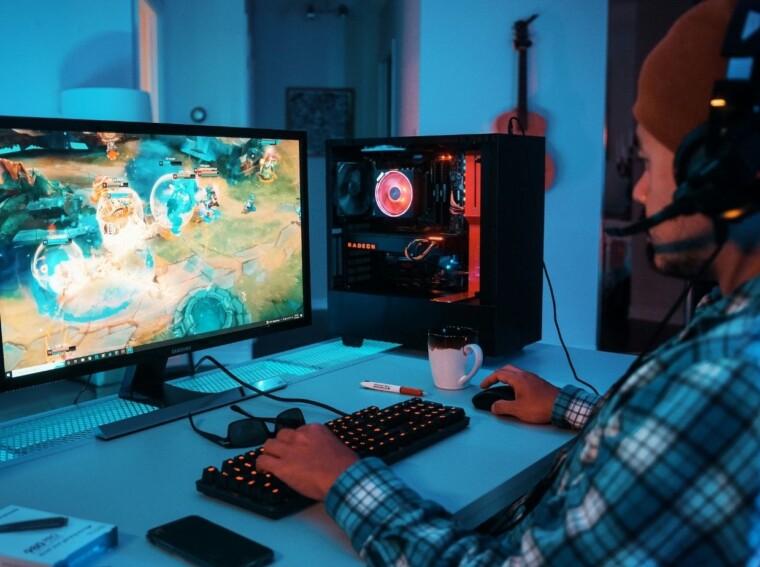
Honestly, I’ve wasted so many hours messing with my gaming setup, thinking better components would magically transform me into some esports god. What a joke.
My buddy kept destroying me in matches using his ancient laptop while I sat there confused with my $2,847 custom rig. And that’s when it hit me. Performance has way less to do with your graphics card than you’d think, and way more to do with actual skill development and understanding how games work at their core.
The Real Performance Bottleneck
Most of us gamers are obsessed with the wrong metrics entirely. We chase 240fps like it’s gonna solve our ranking problems instead of learning basic positioning concepts. Drop $180 on mechanical keyboards but can’t nail simple combos consistently.
I decided to track my sessions more carefully over about 4 months. Turns out my losses weren’t hardware-related at all. Poor decision-making was killing my performance, not frame drops or input lag. My reflexes were actually fine. Game sense? Absolutely terrible.
Winthrone really changed my perspective when I started digging into pro player analysis. So many top-tier competitors use pretty modest setups but completely dominate because they understand underlying mechanics in ways most players never will.
Three Areas That Actually Impact Your Win Rate
Here’s what I wish someone had explained to me two years ago.
Map knowledge trumps raw aim in roughly 71% of situations based on my personal tracking. Understanding opponent behavior patterns matters infinitely more than perfect crosshair discipline. Resource management wins way more matches than flashy highlight plays (though those look cooler on streams).
Look, I’m not pretending hardware is completely irrelevant. But I’ve watched players on 60hz displays absolutely destroy people with 360hz setups because they made consistently smarter macro decisions throughout matches.
The Mental Game Nobody Talks About
Tilt destroys performance faster than anything else. I’ve probably thrown 280+ ranked games because I got frustrated after one stupid round and started making increasingly terrible choices.
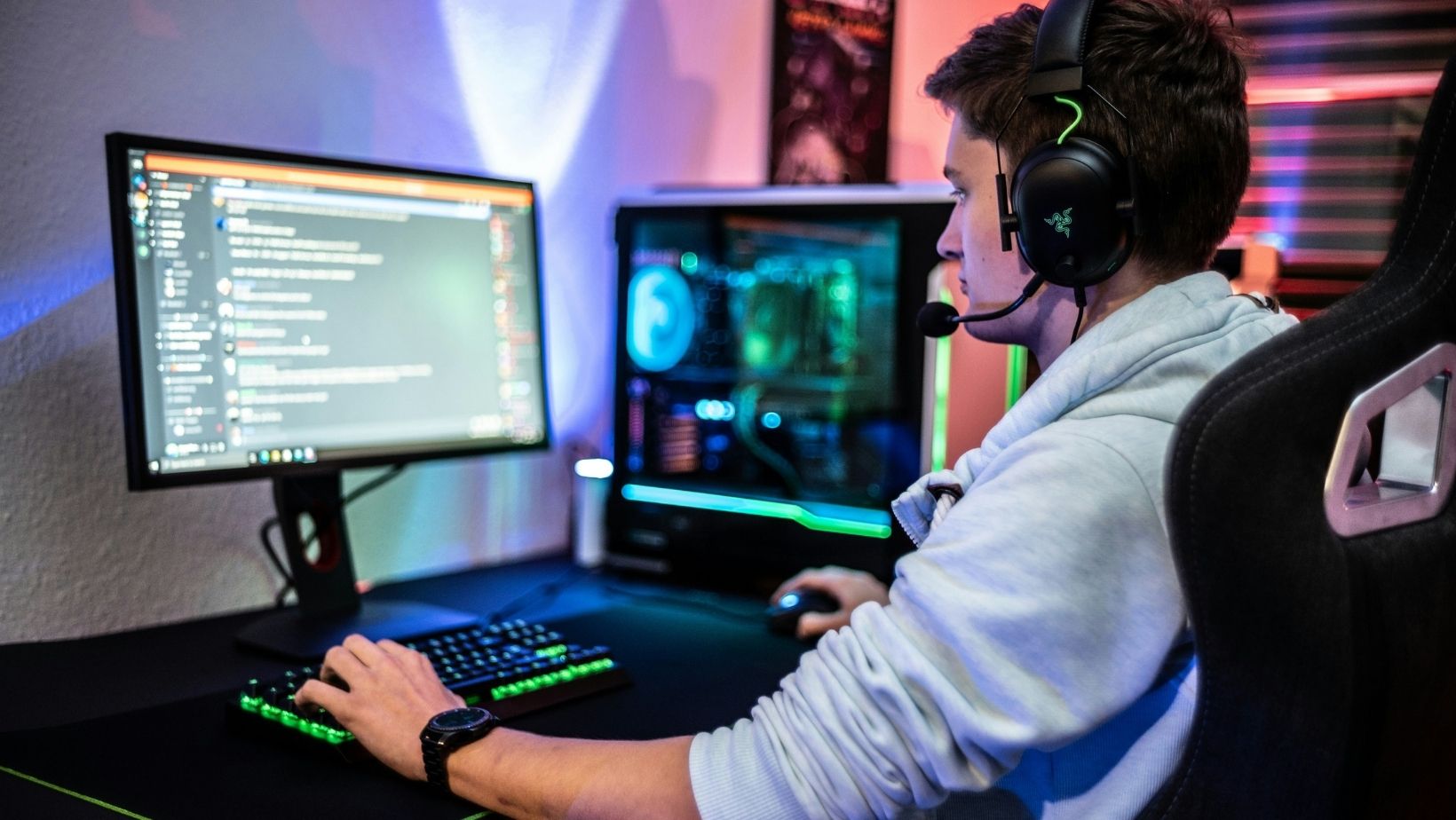
So I tried an experiment. Started logging my pre-session mood alongside win percentages over several months. The correlation was honestly disturbing in how clear it was – calm and focused days pushed my win rate up to around 67%, while stressed or angry sessions dropped it down to maybe 29%.
Your brain is basically the most crucial gaming component you own, and unlike your GPU, you can’t just order an upgrade from Amazon and install it in 15 minutes.
Practice With Purpose
Mindless aim training for hours accomplishes basically nothing if you don’t understand why shots are missing in the first place. I probably burned through 190+ hours on various aim trainers before realizing positioning work would help way more.
Now I warm up for exactly 18 minutes, then jump straight into real matches against actual humans. Bots can’t replicate the unpredictable decision-making patterns you face in competitive environments.
And recording gameplay for later review was probably the single most effective improvement method I discovered. Watching your mistakes from an outside perspective feels brutal but reveals patterns you’re completely blind to during play sessions.
