
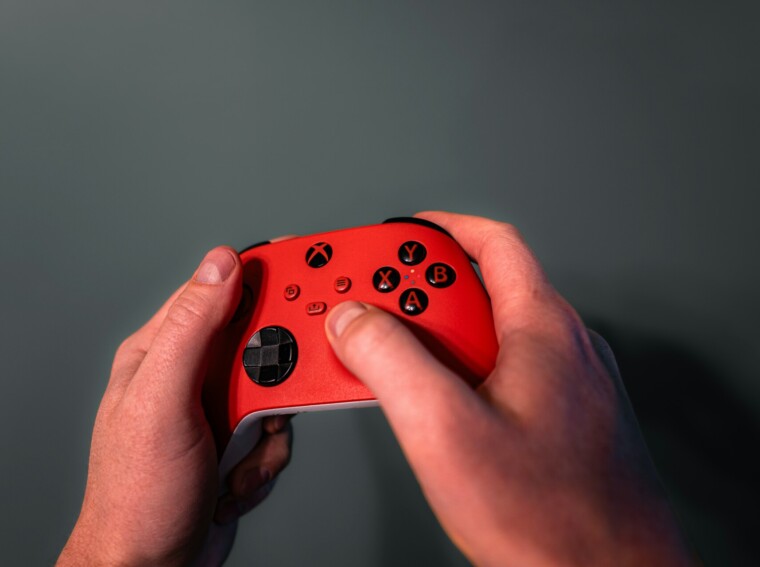
Digital leisure continues to evolve as internet access, mobile devices, and interactive platforms expand. In 2026, people spend a significant share of free time online, often mixing social interaction, gaming, streaming, and educational content in one environment. These activities no longer serve only as short distractions. Many users treat them as structured hobbies that involve skill, planning, or social connection.
Researchers who study digital behavior observe a clear pattern: users now combine several forms of online entertainment during a single session. Someone may watch live content, chat with others, play interactive games, and read news without leaving one device. This blend of activities shapes how leisure develops in the digital age.
Online Gaming Platforms and Structured Entertainment
Digital leisure in 2026 includes many interactive formats, and online gaming platforms form one part of this environment. Users often prefer activities that fit short sessions and require simple navigation. Casino-style platforms attract attention because they combine probability-based mechanics with fast game rounds.
One example mentioned in discussions about digital gaming environments is Corgibet Casino. The platform represents services that bring traditional table games and slot simulations into a fully online format. Players access games through web browsers or mobile devices, which allows them to start or stop sessions at any moment.
Several features shape user interaction with platforms such as Corgibet Casino:
● simple interface structure that helps users find games quickly
● multiple game formats, including card games and slot simulations
● mobile access through standard browsers
● session tracking tools that display activity history
● clear information about rules and probability
Many players value the ability to control session length. Short rounds allow users to include gaming within a broader leisure routine that may also involve streaming, messaging, or reading content online.
In the context of digital entertainment, platforms like Corgibet Casino represent one form of interactive leisure that users combine with other online activities during their free time.
Streaming Platforms and Interactive Viewing
Streaming remains a dominant form of online relaxation. High-speed connections allow people to watch films, series, live broadcasts, and independent productions without technical barriers.
Unlike traditional television, modern streaming often includes interactive features. Viewers do more than watch content. They vote during live shows, comment in chat rooms, and share reactions through built-in tools.
Several patterns define streaming behavior in 2026:
● Short episodes gain more views than long productions.
● Live broadcasts attract viewers who want immediate discussion.
● Real-time comments shape audience reactions during a show.
● Community chats create a shared viewing environment.
Viewers also organize their schedules around specific broadcasts. Sports streams, discussion panels, and event coverage gather thousands of participants who follow the same program at the same moment.
Streaming platforms also serve educational purposes. Tutorials, language classes, and technical demonstrations draw viewers who want practical knowledge during leisure time. This blend of entertainment and learning changes how people treat online media.
Online Gaming and Skill-Based Entertainment
Gaming occupies a large portion of internet leisure in 2026. Modern titles focus on strategy, coordination, and competition rather than simple repetition.
Players often join structured sessions that involve teams, tournaments, or ranked progress systems. Many communities build long-term groups that meet online each week to complete challenges or explore new game content.
The most common gaming categories include:
- Competitive multiplayer matches
- Cooperative strategy games
- Simulation environments
- Puzzle and logic games
- Narrative-driven interactive stories
Each format appeals to a different group of users. Competitive matches attract players who enjoy measurable progress. Strategy titles reward planning and communication. Narrative experiences focus on story development rather than score.
Researchers also note that gaming sessions often serve social functions. Players meet friends online, discuss tactics, and maintain regular contact through shared activities.
Game design now includes features that support shorter sessions. Developers recognize that many players divide leisure time between several platforms rather than dedicating hours to a single game.
Online Gaming Platforms and Casino-Style Entertainment
Interactive gaming also includes casino-style environments where users participate in card games, digital slots, or table simulations. These platforms combine elements of chance, strategy, and interface design.
In many cases, participants view such services as part of a broader online leisure routine. They may explore several activities during one session, shifting between social platforms, streaming services, and gaming websites.
Users who explore gaming platforms sometimes encounter services such as Corgibet Casino, which offers digital versions of classic table games and automated slot systems. These environments simulate traditional gaming halls while operating entirely online.
Participants usually approach these platforms with clear expectations about entertainment value and risk management. Many users treat them as brief recreational experiences rather than long sessions.
Online gaming environments now include features that help users monitor activity time. Timers, balance tracking tools, and session reminders encourage structured participation.
Several factors influence engagement in casino-style platforms:
● ease of access through mobile devices
● visual design and interface clarity
● availability of different game formats
● built-in session tracking tools
These systems attract users who enjoy interactive games that combine probability, timing, and decision-making.
Social Platforms and Digital Communities
Online leisure also involves social interaction. Messaging services, discussion forums, and interest-based communities allow people to exchange ideas and maintain friendships.
In 2026, users join specialized communities that focus on hobbies, education, or cultural topics. These groups operate through moderated discussion spaces where participants share experiences and practical advice.
Several features define modern digital communities:
● topic-specific channels for focused discussion
● scheduled live chats and question sessions
● community moderation systems
● member voting on content visibility
These systems help maintain structured conversations. Members often return to the same groups every week, which creates stable online communities.
People also use social platforms to coordinate other leisure activities. A group may organize a gaming session, watch a live broadcast together, or plan an online workshop through community messaging tools.
Short-Form Content and Micro-Entertainment
Short videos, quick tutorials, and brief commentary clips dominate many online platforms. Users often watch dozens of short segments in a single session.
This format fits modern attention patterns. People frequently check their phones during breaks, commuting time, or short pauses in daily tasks.
Short-form media usually follows a simple structure:
- A brief introduction that explains the topic
- A clear demonstration or explanation
- A concise conclusion or takeaway
These clips cover a wide range of topics, including technology, cooking, fitness routines, and language learning. Many creators focus on practical demonstrations that viewers can apply immediately.
Short content also encourages experimentation. Users watch unfamiliar subjects because the time investment remains minimal. This behavior leads to quick exposure to new hobbies or interests.
Educational Leisure and Skill Development
Another major trend involves learning activities that people treat as leisure rather than formal education. Online platforms offer lessons that cover both academic subjects and practical skills.
Participants may study languages, programming basics, graphic design, or music theory during free time. Unlike traditional courses, these programs often divide lessons into small modules that take less than twenty minutes.
The following table shows common areas of online skill development and typical session lengths.
| Skill Area | Typical Session Length | Common Learning Format |
| Language study | 10–20 minutes | vocabulary drills and short dialogues |
| Programming basics | 20–30 minutes | interactive coding tasks |
| Graphic design | 15–25 minutes | step-by-step demonstrations |
| Music theory | 10–15 minutes | listening exercises and notation practice |
These formats encourage consistent practice. Users return frequently because each lesson requires limited time.
Many learners combine these activities with entertainment platforms. A person may complete a short lesson and then move to a streaming service or gaming session afterward.
Virtual Social Events and Online Gatherings
Digital gatherings represent another form of leisure. Friends, colleagues, and hobby groups organize events that take place entirely online.
These meetings range from casual video conversations to structured events such as quiz nights, book discussions, and collaborative workshops.
Common formats include:
● virtual trivia competitions
● shared film watching sessions
● collaborative art projects
● online book discussions
Participants value the ability to connect with people who live in different cities or countries. Scheduling tools and video conferencing systems allow groups to maintain regular meetings.
Online events also reduce logistical barriers. Participants join from home without travel or venue planning.
Some communities combine several activities during one event. For example, a group may watch a short presentation, hold a discussion, and then play interactive games during the same meeting.
Digital Fitness and Health Activities
Health-related platforms also attract users who want structured leisure that includes physical movement. Fitness instructors stream workouts that participants follow from home.
Users track progress through mobile applications that record exercise duration, repetition counts, and heart rate.
Several workout formats appear frequently online:
● guided bodyweight training sessions
● yoga and flexibility classes
● high-intensity interval workouts
● dance-based fitness routines
Participants often join scheduled classes rather than random sessions. Regular scheduling helps maintain motivation and community support.
Many platforms also include discussion boards where participants exchange training tips and progress reports.
The Role of Mobile Devices
Mobile technology plays a major role in online leisure behavior. Smartphones allow users to switch between activities quickly.
A typical mobile leisure session may include:
- watching a short video
- replying to messages in a social group
- playing a quick online game
- reading news or articles
The ability to move between platforms within seconds shapes how users structure their free time.
Researchers note that many users divide leisure into short segments rather than long uninterrupted sessions. This pattern fits modern work schedules and commuting routines.
Mobile interfaces now focus on clarity and quick interaction. Designers reduce unnecessary steps so that users can begin an activity immediately.
Data Awareness and Responsible Participation
As online leisure expands, many platforms include tools that help users monitor digital habits. Time tracking features show how long a person spends on different activities.
Users often review weekly summaries that display time distribution across platforms. This information helps them adjust habits when screen time increases beyond personal limits.
Responsible participation tools include:
● daily usage reminders
● session timers for gaming platforms
● voluntary activity limits
● progress tracking dashboards
These systems support balanced digital routines. Participants gain better awareness of how they spend free time online.
Researchers also encourage users to combine online leisure with offline activities such as exercise, outdoor recreation, and face-to-face social interaction.
Online leisure in 2026 reflects a broad mix of activities that combine entertainment, communication, and learning. Streaming services, gaming environments, digital communities, and educational platforms attract millions of participants each day.
Users rarely focus on a single format. Instead, they move between several activities during one session. A person may watch a live broadcast, participate in a discussion group, explore a gaming platform such as Corgibet Casino, and complete a short educational lesson within the same evening.
Mobile technology and high-speed internet make these transitions effortless. As digital tools continue to evolve, online leisure will likely remain an important part of everyday life. At the same time, many platforms now encourage structured participation and awareness of screen time.
This balance between entertainment and responsible use will shape how people experience online leisure in the years ahead.
