
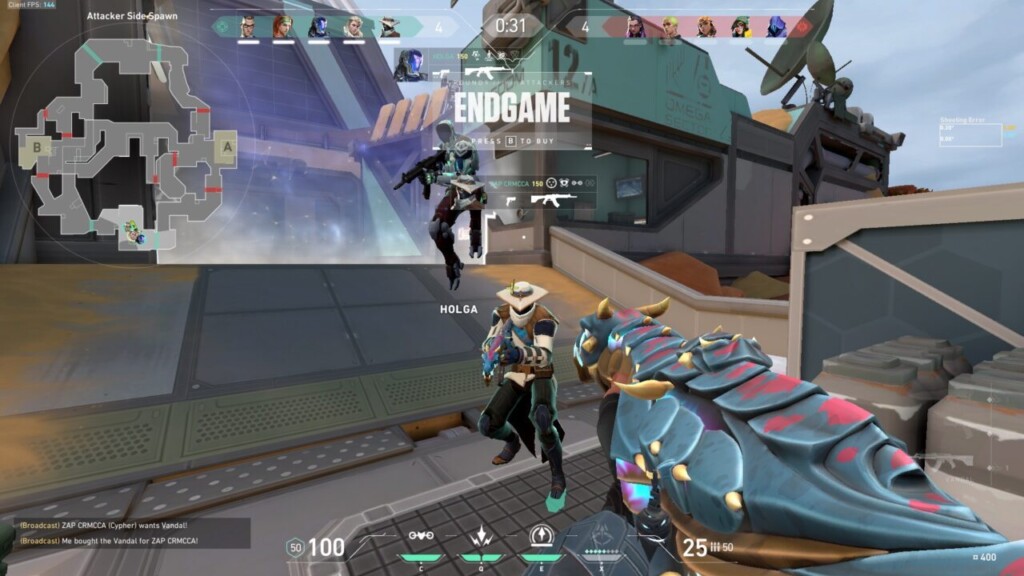
Valorant is often seen as a game where sharp aim decides everything. Players spend hours in the practice range, run aim trainers daily, and watch highlight clips of insane flicks. Not to mention Agents that are designed to win duels and take fights head-on, which makes it easy to believe that raw mechanical skill is the main factor in winning games.
Players are spending Valorant Points to get newest agents instantly, hoping that better tools or stronger kits will give them an edge. But even with perfect aim and the right agent, many matches still fall apart. Perhaps what they really need is not sharper aim or faster reflexes, but the ability to play as a team.
While mechanical skill is important, many ranked matches are not lost because of bad aim. They are lost because teams do not work well together. Team chemistry in Valorant is about how well five players function as a unit. It covers communication, trust, timing, positioning, and shared decision making.
What Team Chemistry Really Means in Valorant
Team chemistry in Valorant is not about being friends or talking all the time. It is about understanding how to play together in a way that feels smooth and reliable. When chemistry is strong, players naturally support each other without forcing it. Everyone knows their role and respects the roles of others.
One key part of chemistry is trust. Trust means believing that your teammate will hold an angle, use their utility correctly, or cover your back when you move forward. Without trust, players hesitate or try to do everything alone. This often leads to bad positioning and unnecessary deaths.
Another part of chemistry is timing. Good teams push together, fall back together, and retake together. Even with average aim, two players peeking at the same time will usually beat a single defender. Poor timing happens when teammates move without warning or ignore what others are doing.
Communication also plays a major role. Clear and calm callouts help everyone make better decisions. Chemistry does not require constant talking, but it does require useful information at the right moment. Saying where enemies are, what abilities are used, and when to rotate helps the entire team stay organized.
Chemistry also shows how teams react to mistakes. Instead of blaming each other, coordinated teams reset and focus on the next round. This mental stability often decides matches more than raw aim.
Why Aim Alone Is Not Enough to Win Matches
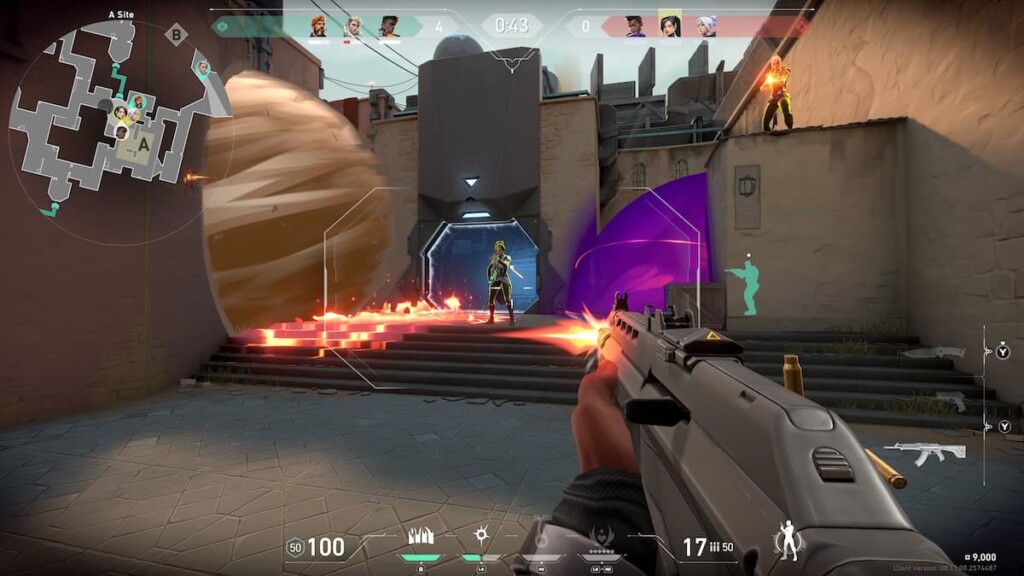
Aim helps you win gunfights, but Valorant is not a pure shooting game. It is built around abilities, map control, and teamwork. Many rounds are lost before shots are even fired because teams make poor decisions together.
Players with strong aim often struggle when they overextend or take fights without support. Even the best aimer cannot win against multiple enemies at once. Without teammates trading kills or using utility, good aim loses value quickly.
Another issue is information. Aim does nothing if you do not know where enemies are. Teams with weak chemistry often fail to share information, leading to surprise flanks and lost rounds. Good aim cannot save a player who gets shot from behind due to poor communication.
Utility usage also highlights why aim alone fails. Smokes, flashes, and crowd control abilities exist to create favorable fights. A team that uses abilities together can win fights even if their aim is weaker. A team that ignores synergy often takes unfair fights and loses.
Many ranked games are decided by close rounds. In these moments, calm coordination matters more than fast reactions. Teams that communicate clearly and stick to simple plans tend to close games more often than teams relying on individual plays.
How Team Chemistry Wins Rounds Consistently
Strong team chemistry creates consistency. Even when aim feels off, teams with chemistry still find ways to win rounds. This is because coordinated play reduces randomness and risk.
One major advantage is trading skill. When teammates stay close enough to support each other, deaths turn into trades instead of losses. This keeps the numbers even and prevents enemy momentum. Trading does not require perfect aim, only awareness and positioning.
Chemistry also improves site executes. Attacking teams that enter together with utility have higher success rates. Smokes block vision, flashes create openings, and teammates move at the same time. Defenders get overwhelmed not by aim, but by pressure.
Retakes are another area where chemistry shines. Teams that wait, communicate, and push together retake sites far more successfully. Rushing alone usually ends badly, no matter how good the aimer is.
Defensively, chemistry helps with crossfires and rotations. Players hold angles that support each other and rotate when needed instead of chasing kills. This reduces gaps in defense and makes enemy attacks harder.
Finding Better Team Chemistry Through the Right Teammates
One of the biggest challenges in Valorant is solo queue inconsistency. Playing with random teammates makes chemistry hard to build. Different playstyles, communication habits, and goals clash frequently.
Finding consistent teammates improves chemistry over time. Playing together regularly helps players learn each other’s tendencies and build trust. This leads to smoother games and fewer misunderstandings.
For this reason, many players decide to seek Valorant LFG in reliable platforms. Having a consistent group makes it easier to plan rounds, coordinate utility, and stay calm when the match doesn’t go as expected.
Final Thoughts
Valorant rewards teamwork more than individual brilliance. While aim is important, it is not the deciding factor in most matches. Team chemistry affects every part of the game, from communication and positioning to decision making and mental stability.
Players who focus only on aim often hit a wall. Improving chemistry unlocks a new level of consistency and control. Teams that move together, communicate clearly, and trust each other win more games even against mechanically stronger opponents.
