
Gaming culture has evolved far beyond entertainment, and today’s players are picking up real-world skills in ways no one expected a decade ago. From strategic thinking to teamwork, gamers naturally build abilities that matter outside the screen. What’s even more interesting is how many players are intentionally leveling up their offline abilities too, everything from budgeting apps to learning practical skills like taking a CPR Class near me or joining local workshops. The modern gamer isn’t just developing their character in-game they’re enhancing their real-life toolkit.
From Digital Strategy to Real-World Problem Solving
Anyone who has spent time in MMORPG raids, tactical shooters, or complex strategy games knows that gaming trains your brain to think fast and think smart. You evaluate situations, predict enemy moves, manage limited resources, and coordinate with others—all in real time. These skills translate directly into everyday life.
But what’s new is that gamers are purposely reinforcing these strengths beyond the monitor. They’re using decision-making frameworks from games like Civilization or management simulators to organize their workdays, track personal progress, or even plan long-term goals. The systems thinking reinforced by gaming has become a surprising pathway to personal growth.
Community and Collaboration Matter More Than Ever
Gaming has always had its social side, and today’s players engage in massive online communities from Discord groups to clan networks to esports teams. These communities often teach essential soft skills: conflict resolution, leadership, team coordination, and communication.
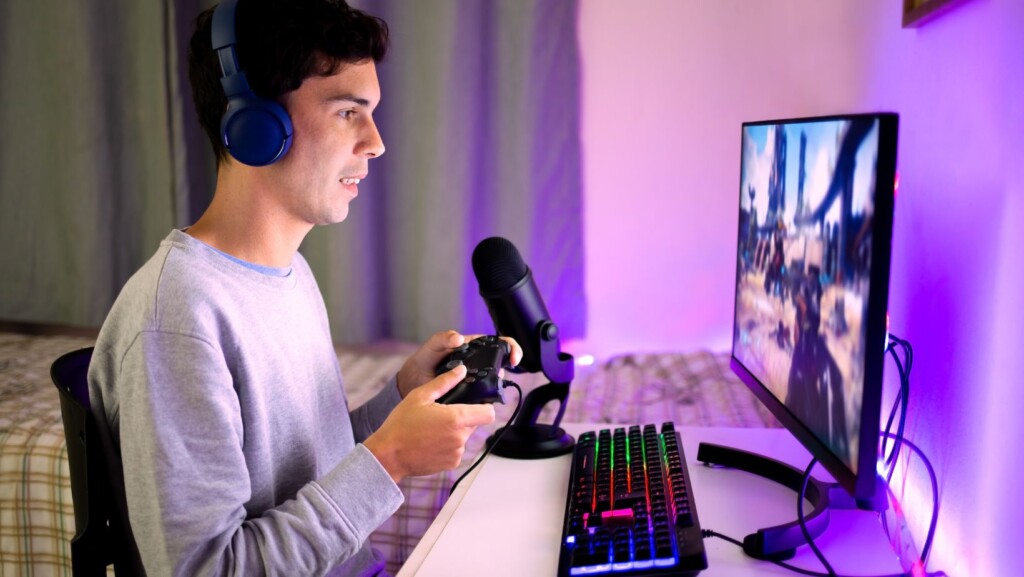
As gamers age into adulthood, they’re recognizing the importance of applying those same collaboration skills offline. Many join clubs, attend local meetups, volunteer, or take community-driven courses. It’s not about replacing digital spaces it’s about expanding them. Gamers know the power of a good team, and they’re building one in real life too.
Gamers Are Prioritizing Health in New Ways
There was a time when gaming and health were seen as opposites, but that stereotype has been fading fast. With the rise of ergonomic setups, fitness gaming, mindfulness apps, and streamer health awareness, players are starting to see physical and mental wellness as part of their overall performance.
But the evolution doesn’t stop at posture and hydration. Many gamers are pursuing skills that give them confidence and security in everyday situations like learning basic first aid, self-care routines, stress management tactics, and even essential emergency skills. Gamers are used to facing challenges; now they want to be prepared for the unexpected in real life too.
Resilience: The Secret Skill Gamers Don’t Realize They Have
Every gamer knows the meaning of persistence. You die, respawn, adjust your strategy, and try again. That resilience built through repeated trial and error is incredibly valuable in real-world situations.
In life, setbacks happen: job losses, relationship challenges, health scares, financial pressure. The ability to adapt and keep going is one of the strongest skills a gamer carries into adulthood. It’s no surprise that many players are now investing in personal development systems that mirror the skill-tree progression they love so much. Whether it’s learning to cook, budgeting smarter, taking safety training, or developing leadership skills, resilience is at the core of every upgrade.
Preparedness: A New Kind of Leveling Up
One of the biggest skill shifts among adult gamers today is practicality. They’re seeking out skills that genuinely make a difference when things go wrong. Not because they expect disasters but because being prepared feels empowering.
Just like storing potions or leveling your defense stat, these real-world life skills add long-term value. Many gamers say that preparedness helps reduce anxiety, boosts confidence, and makes them feel more in control just like mastering a tough game mechanic.
Gamers Aren’t Just Playing They’re Growing
The stereotype of the disconnected gamer is long outdated. Today’s players are curious, adaptable, smart, and more engaged with the world than ever. They’re learning, experimenting, and improving constantly. And they’re applying the best parts of gaming strategy, resilience, teamwork, focus to real life.
That’s why so many gamers are working on practical skills, personal wellness, and community involvement. It’s not about leaving gaming behind—it’s about leveling up in ways that make life richer and more exciting.
In the end, gamers know better than anyone: progression feels good. And the most rewarding upgrades are often found outside the screen.
