
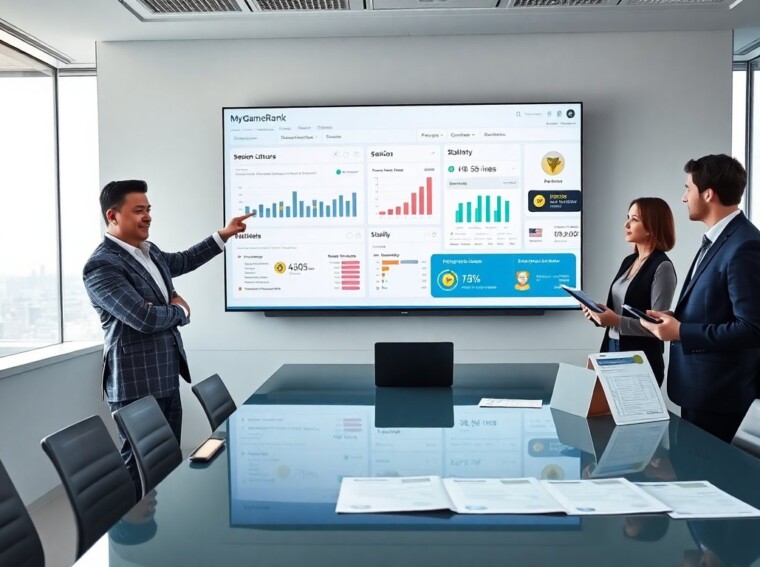
MyGameRank latest update arrived in 2026 and it changed ranking signals. The update changed how the platform scores engagement, retention, and monetization. Players and developers must adapt to keep or improve rank. This article explains the core changes, new tools, and practical steps to boost a game’s position under the new system.
Key Takeaways
- The MyGameRank latest update in 2026 redefined ranking by emphasizing mid-term retention, anti-cheat signals, and consistent weekly playtime over short daily spikes.
- Developers must monitor new signals like cohort-based retention, device-level performance, and fraud detection to maintain or improve their game’s rank.
- The update introduced a developer portal and player badges that provide real-time metrics and promote transparency about game stability and safety.
- Free-to-play games relying on brief promotional bursts risk rank drops, while titles with steady daily users and strong community sharing can rise.
- Practical steps to boost rank include fixing crashes, enhancing frame rates, encouraging verified social shares, and using the simulator to test changes before release.
- Both players and developers benefit from new tools that improve game health monitoring and faster response to ranking issues.
What Is MyGameRank And Why It Matters For Players And Developers
MyGameRank latest serves as a leaderboard and discovery index for games. The platform ranks titles by engagement, retention, revenue, and quality signals. Developers use the rank to measure market visibility. Players use the rank to find active and high-quality games. Publishers treat MyGameRank latest as a metric for marketing spend and feature prioritization. The score affects store placement and featured lists. Smaller studios gain visibility when they meet core metrics. Larger studios watch the rank to confirm trends and test updates.
2026 Algorithm And Ranking Changes — Overview
MyGameRank latest shifted weight toward mid-term retention and anti-cheat signals. The algorithm lowered the impact of short daily spikes. The platform increased the importance of consistent weekly playtime. The update added behavior signals from social sharing and community reports. The system now penalizes detected manipulation faster. The update also introduced device-level performance metrics as a quality factor. The changes aim to reward sustainable player value over short-term bursts. Developers must track new signals and adjust KPIs accordingly.
Key Technical Changes In The New Algorithm
MyGameRank latest added session decay modeling and fraud detection. The algorithm now reduces score for sessions that show bot-like patterns. The platform introduced cohort-based retention windows at 7, 14, and 30 days. The system uses weighted averages across these windows to compute stability. The update also measures crash-free rate and frame stability on common devices. The platform consumes anonymized telemetry to compute these signals. The algorithm applies a dampening factor to viral spikes to prevent rank volatility.
Who’s Affected And Practical Impacts On Rankings
MyGameRank latest affects free-to-play and premium titles differently. Free-to-play games that rely on brief promo bursts may drop. Games with steady daily users may rise. Studios that tolerate crashes or poor frame rates may see declines. Indie titles with strong community sharing can gain position. Publishers that bought short-term installs for boosts may lose rank after fraud detection. Platforms that host user reviews may shift featured lists toward games with stable metrics. Teams should audit telemetry and user flows to find weak points.
New Features And User Tools In The Latest Release
MyGameRank latest released a developer portal with live metric dashboards. The portal shows retention cohorts, session distribution, and crash trends. It also offers a simulator to preview rank impact from metric changes. The platform added a player-facing badge that shows stability and safety scores. The update launched in-app prompts that guide players to verify accounts and report abuse. The tools aim to give both developers and players clearer signals about game health. These features allow faster detection and response to ranking issues.
How Players And Developers Can Use The New Tools
Developers can use the dashboard to track 7-, 14-, and 30-day retention every day. They can run the simulator before releasing promotions. The portal lets developers flag false positive fraud results and request reviews. Players can use badges to pick stable games and to report crashes. Both groups can enable telemetry opt-in to improve accuracy. Teams should set alerts for crash rate and retention dips. Players should prefer games that show stability badges for better experience.
Actionable Steps To Improve Your Game’s Rank Under The New System
Developers should audit sessions to remove bot traffic and abnormal flows. They should optimize first-run experience to lift 7-day retention. Teams must fix crashes and improve frame rates on key devices. They should encourage verified social shares to boost organic signals. Developers should limit heavy promos that create short spikes and instead run steady campaigns. They should use the simulator to test changes before release. Finally, teams should monitor fraud alerts and respond to reviews to limit penalties.
