
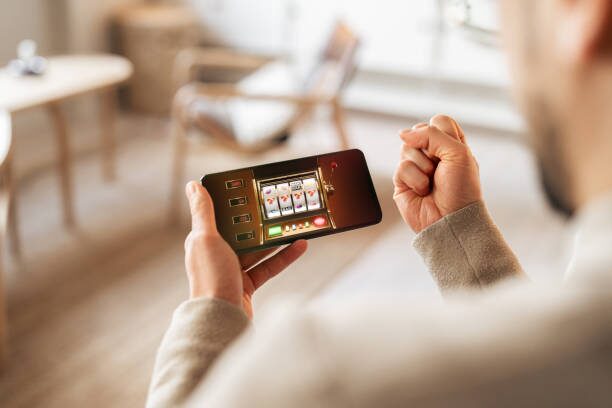
Progression is one of the reasons modern games feel rewarding. Players enjoy seeing movement, whether that means unlocking a new level, completing a challenge, collecting items or improving a score. Online pokies use some of the same design ideas to make gameplay feel more dynamic. While outcomes are still based on chance, progression systems can add structure, personality and a stronger sense of engagement.
Progression Gives Players a Journey
Traditional pokies were often simple and direct. Players spun the reels, watched the result and continued or stopped. Online pokies still keep that core format, but many now add themed layers that make the experience feel more like a journey.
This can include bonus rounds, collectible symbols, progress meters or changing visual stages. These features help the game feel less static. Players are not only watching symbols land, they are following a small sense of movement within the theme.
Platforms where users can play online pokies at jokaroom.io reflect how digital casino entertainment has absorbed ideas from mobile games, video games and interactive apps. Users now expect feedback, variety and visual progress as part of the experience.
Common progression features may include:
- Bonus meters
- Level-style game stages
- Unlockable features
- Collection mechanics
- Themed achievements or milestones
These elements make games feel more layered without changing the need for responsible play.
Modern Games Made Progress Familiar
Players are used to progression because it appears almost everywhere in gaming. A racing game may unlock new tracks. A role-playing game may improve a character over time. A puzzle app may reward daily activity with badges or new levels.
Pokies borrow from this familiar language. A progress bar or collection feature is easy for many users to understand because they have seen similar mechanics in other digital products. The design gives players a sense of where they are and what might happen next.
This does not mean pokies become skill-based in the same way as many video games. Chance remains central. However, progression design can make the session feel more organised and visually satisfying.
Good progression design should be:
- Easy to understand
- Clearly explained
- Visually consistent with the theme
- Balanced rather than overwhelming
- Supported by clear account and play information
When progression is too complicated, it can confuse users. When it is simple, it adds interest.
Themes Make Progression More Memorable
Progression works best when it fits the game’s theme. A treasure-hunting pokies game might use maps, keys or chests. A fantasy game might use spells, gems or magical gates. A racing-themed game might use laps, checkpoints or speed boosts.
These details make progression feel connected to the world of the game. Instead of feeling like a separate feature, it becomes part of the story.
Themed progression can help by:
- Giving users a clearer visual goal
- Making bonus features easier to recognise
- Strengthening game identity
- Creating anticipation
- Making the experience more memorable
This is similar to modern game design, where mechanics and theme work together. A progress system feels stronger when it looks like it belongs in the world being presented.
Feedback Keeps Players Oriented
Progression depends on feedback. Players need to know when something has changed, when they have moved closer to a feature or when a bonus round has started. Visual and audio cues make those moments easier to understand.
Modern pokies use animation, sound effects, highlighted symbols and short messages to show progress. These cues help users follow the action without needing to stop and read long explanations.
Effective feedback usually includes:
- Clear visual changes
- Short confirmation messages
- Sound cues that match the action
- Smooth transitions between stages
- Progress indicators that remain readable on mobile
Good feedback should support clarity. It should not create unnecessary pressure or make ordinary moments feel misleadingly dramatic.
Progression Should Not Replace Limits
Because progression can be engaging, responsible design matters. A user may feel tempted to continue because a meter is nearly full or a feature appears close. This is where clear personal limits are important.
Online pokies should be treated as adult entertainment, not as a task to complete. Progression can make games more interesting, but it should not override time or spending boundaries.
Healthy play habits include:
- Setting a budget before starting
- Choosing a session length in advance
- Taking breaks between games
- Avoiding play when stressed or tired
- Stopping when limits are reached
The best progression systems add enjoyment while still allowing users to step away comfortably.
Mobile Design Has Changed Progression
Many users play on phones, so progression features need to work on smaller screens. A meter that looks clear on desktop may become cramped on mobile. Bonus information must remain readable, and buttons need enough space for touch controls.
Mobile-friendly progression design should include:
- Simple icons
- Large enough text
- Clear spacing
- Fast-loading animations
- Easy access to game rules
If users cannot understand a feature quickly on mobile, the progression system loses its value.
Progression Adds Structure to Entertainment
Pokies use progression like modern games because digital audiences enjoy movement, feedback and themed goals. These systems can make games feel richer and more interactive while helping each title stand out.
The most effective progression is clear, balanced and easy to follow. It supports the theme, gives users useful feedback and keeps the experience visually engaging. When paired with responsible limits, progression can add depth to online pokies without taking away the importance of control.