

When players talk about customization in Counter-Strike, they usually start with cs2 skins. What began as simple cosmetic variations for weapons gradually transformed into one of the most recognizable elements of the game’s culture. Over time, skins evolved from decorative additions into symbols of identity, collectibles, and even artifacts of esports history.
Today, skins influence how players present themselves in matches, how fans remember iconic moments, and how the community interacts with the game’s economy.
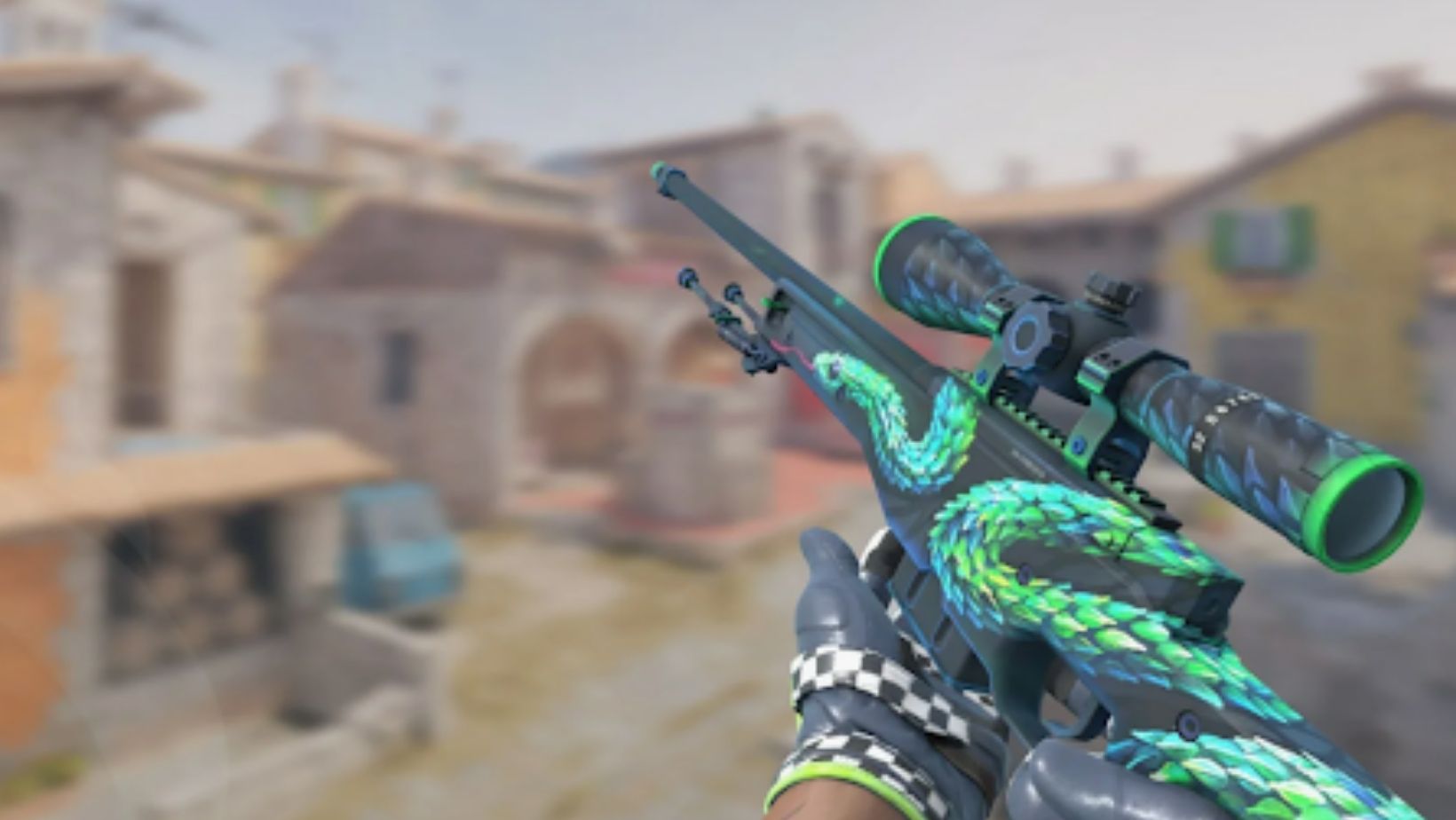
https://esportfire.com/article/the-15-cheapest-awp-skins-in-csgo-05022023
The Beginning of Weapon Skin Design
Weapon skins first appeared in Counter-Strike through the Arms Deal update in August 2013, introducing cosmetic finishes that allowed players to personalize their weapons.
Initially, the selection was small. Early skins included items like AK-47 | Case Hardened, AWP | Lightning Strike, and Glock-18 | Dragon Tattoo, representing the first step toward what would become a massive ecosystem of weapon designs.
These skins did not change weapon mechanics. Instead, they simply altered appearance, allowing players to express individuality while preserving the competitive balance of the game.
Even at that early stage, players quickly began treating rare skins as trophies—visual indicators of experience or dedication within the game.
From Simple Designs to Complex Visual Styles
As new collections were introduced, the artistic direction of skins expanded significantly. Early designs were relatively simple: metallic patterns, color gradients, or basic textures applied to weapons.
Over time, skin artists began experimenting with more elaborate styles. Some designs featured futuristic aesthetics, while others used graffiti-inspired art, abstract patterns, or detailed illustrations.
This shift turned skins into miniature works of digital art. Each collection introduced new visual concepts, giving players more ways to shape their inventories according to personal taste.
Community artists also played an important role in this evolution. Many skins originate from designs submitted through the Steam Workshop, where creators can contribute ideas that may later appear in official collections.
The Growth of the Skin Economy
What began as a cosmetic feature eventually developed into a massive virtual economy. Over the years, rare skins became valuable collectibles traded between players on online marketplaces.
The popularity of skins significantly increased engagement with the game. Some rare items have sold for extremely high prices, transforming virtual weapon finishes into digital assets with real-world value.
In fact, the skin market surrounding Counter-Strike has grown into a multi-billion-dollar ecosystem supported by trading, collecting, and case openings.
This economic layer made skins more than simple visual upgrades—they became central to the broader Counter-Strike experience.
Skins in the World of Esports
In competitive Counter-Strike, skins play a unique cultural role. They do not provide gameplay advantages, but they often become closely associated with famous players and memorable tournament moments.
A well-known example is the AWP Asiimov, which became iconic partly because professional players used it during major competitions. Historic plays, highlight clips, and tournament victories helped elevate certain skins into symbols of esports excellence.
Over time, these connections turned skins into digital souvenirs tied to the history of competitive Counter-Strike.
Fans watching tournaments sometimes recognize skins instantly because they appeared during legendary plays or unforgettable matches.
Skins as Player Identity
Beyond esports, skins also shape how players express themselves inside the game. Many players carefully build inventories that reflect their personal style or favorite weapons.
Some prefer bright, eye-catching skins that stand out during gameplay. Others choose minimalistic designs that maintain a more tactical appearance.
Because players see their weapons constantly during matches, the visual identity of a loadout becomes an important part of the gaming experience.
The Influence of Updates and Technology
With the transition from CS:GO to Counter-Strike 2 in 2023, skins received visual upgrades thanks to improvements in lighting and rendering. Existing inventories were transferred into the new game, allowing players to keep their collections while experiencing updated visuals.
This transition demonstrated how skins can evolve alongside the technology of the game itself.
As graphics engines improve and new artistic styles appear, skins continue to adapt while maintaining their role in the broader Counter-Strike ecosystem.
Why Skins Remain Central to Counter-Strike
More than a decade after their introduction, skins remain one of the defining features of Counter-Strike. They combine art, player identity, community creativity, and esports history into a single system.
For many players, skins are not just cosmetic items—they are part of the story of the game itself. From early weapon finishes to modern high-detail designs, the evolution of skins reflects how Counter-Strike has grown from a competitive shooter into a global gaming culture.
