
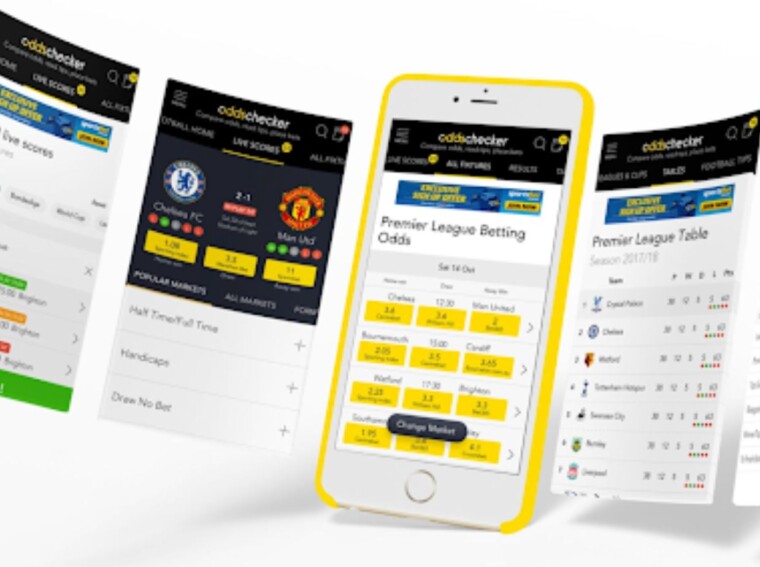
Betting apps look generous. They offer hundreds of markets. Thousands of bets. Endless choices. This feels like freedom. But freedom is not always helpful. Sometimes, it is the problem. Too many options do not empower bettors. They overwhelm them. And overwhelmed bettors make worse decisions during online casino games.
The Illusion of Freedom in Modern Betting Apps
At first glance, more choice feels fair. Why limit players? Why hide markets? But choice is not neutral. It shapes behavior. When everything is available, nothing stands out. The bettor scrolls. Then scrolls more. Decision-making slows down. Confidence drops. Impulse rises. What looks like freedom is often confusion.
Choice Overload Explained Simply
Choice overload happens when the brain gets tired. Not from betting. From deciding. Each option needs evaluation. Odds. Risk. Context. The brain can only handle so much. When limits are crossed, thinking shuts down. Instinct takes over. The hand clicks before the mind agrees. This is not a strategy. It is exhaustion.
Why Betting Apps Push Endless Markets
More options mean more interaction. More scrolling. More clicks. Every tap counts as engagement. Engagement keeps players inside the app. From a business view, this works well. From a player’s view, it creates noise.
Fewer Pauses, More Bets
When one bet feels uncertain, another appears. There is always something else to click. This removes natural stopping points. Moments that allow reflection disappear. The app never feels finished. There is always more.
How Too Many Options Increase Risk
With limited options, bettors think deeper. With unlimited options, they think faster. There is no time to analyze everything. So analysis is skipped. Bets become smaller in thought. Not in money. Placing many small bets feels safer. It feels controlled. But risk does not disappear. It multiplies. Ten rushed bets carry more danger than one careful one.
The Emotional Impact of Endless Choice
Too many options create pressure. Not excitement. The bettor feels they might miss something better. Or smarter. Or safer. This creates anxiety. Anxious bettors chase certainty. Certainty does not exist. So they keep clicking.
Why Fewer Options Often Lead to Better Betting
When choices are limited, attention sharpens. The bettor slows down. Each option gets real thought. Real judgment. This does not guarantee wins. But it improves discipline.
Simplicity Builds Confidence
Simple menus feel manageable. Manageable feels safe. Confidence grows when decisions feel clear. Not when they feel endless. Clear structure reduces emotional noise.
The Design Tricks That Hide Overload
Apps group bets into tabs. Markets. Builders. Specials. This feels tidy. But the total number stays massive. The organization hides its scale. It does not reduce it.
Personalization That Narrows Without Limiting
Apps suggest “recommended” bets. But they still show everything else. This creates mixed signals. Guidance without boundaries. The bettor still feels responsible for sorting chaos.
When Choice Overload Turns Into Impulse Betting
After scrolling for long periods, patience drops. Attention fades. The next decent-looking bet gets chosen. Not the best one.

This is decision fatigue at work. Live betting adds time pressure. Odds move. Markets close. With too many options and too little time, impulse wins. The bettor does not choose. They react.
The False Comfort of Custom Bet Builders
Bet builders look powerful. They allow endless combinations. This feels like mastery. In reality, complexity increases risk. Each added condition lowers the probability. More control does not mean better outcomes. It often means worse ones. Selecting many outcomes feels intelligent. Effort feels like expertise. But effort is not accuracy. The app rewards activity. Not restraint.
Why Players Rarely Blame the Options
Losses feel personal. Confusing menus do not. Players blame luck and timing. They rarely blame choice overload. It feels invisible. The app never forces a bet. It simply offers too many.
Can Betting Apps Reduce This Problem?
They could. But it conflicts with engagement goals. Fewer options mean fewer clicks.
Fewer clicks mean shorter sessions. So overload stays. Some apps add filters.
But filters still require effort. True simplicity is rare.
What Bettors Can Do Instead
Limit choices manually. Ignore most markets. Pick one or two types of bets. Stick to them. Create rules before opening the app. Not after. Discipline must come from the player. The app will not provide it.
Why Choice Overload Feels Like Opportunity at First
At first, options can feel exciting. The app looks rich. Full of possibilities. This creates optimism. The bettor believes better choices must exist somewhere in the list. But excitement fades fast. What remains is pressure to choose correctly.
How Too Many Options Erase Intuition
Gut feeling works best with a few choices. Too many signals cancel each other out. When everything looks possible, nothing feels right. The bettor stops trusting instinct. Instead of clarity, doubt appears. The bettor second-guesses every click. This leads to rushed decisions. Or constant switching. Neither helps performance.
The Quiet Link Between Choice Overload and Burnout
Endless decisions drain energy—even small ones. Long sessions become tiring. Not because of losses. But because of mental effort. Burned-out bettors chase simplicity. They look for fast bets. That search often increases risk.